


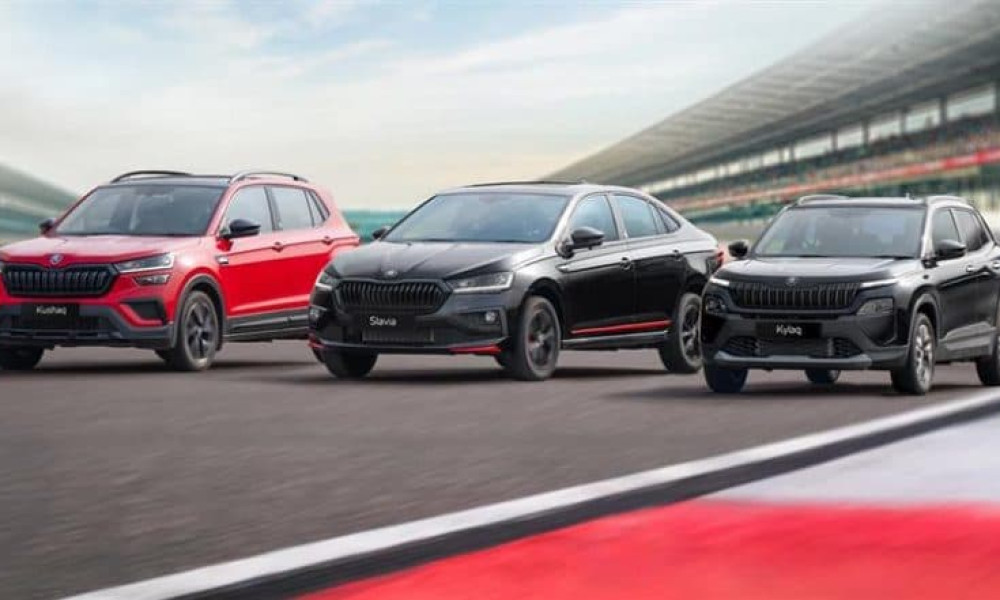
The Indian car market is buzzing with activity. Carmakers are launching over 15 new models, mostly SUVs, from November to March. This surge is driven by strong festive sales and demand. High-margin SUVs are a key focus. This trend shows robust consumer interest and production capacity. Future challenges include electrification and new norms.
There is no sign of a year-end slowdown in the Indian passenger vehicle market. At least 15 new models including 13 SUVs will debut between November and March. Carmakers race to capitalize on the festive-season boom and record October sales.
Mass and luxury carmakers alike are doubling down on high margin models. They keep production lines running at full tilt to sustain the momentum, industry executives said. We are prioritizing high-margin SUV production, said an executive at a leading automaker who requested not to be identified.
Sport-utility vehicles today account for more than half of all passenger vehicle sales in India. Small cars are making a comeback after the recent goods and services tax cuts. But the next five months will still see just one sedan and one crossover entering the market.
Among the most anticipated launches this season is Tata Motors revived Sierra. This mid-size SUV makes a comeback after 22 years. Teasers of the model have already sparked nostalgia and excitement ahead of its debut later this month.
Mahindra is gearing up to unveil its first born electric seven-seater SUV. Maruti Suzuki is preparing for its India launch next month. Foreign players are equally charged in this SUV frenzy.
Renault new-generation Duster and Nissan Tekton are set to add muscle. They join an already crowded SUV calendar. In the luxury end, BMW and Volvo are set to drive in new premium electric SUVs.
Traditionally, after Diwali, automakers focus on clearing year-end stock. They avoid major launches before the model-year reset. But this time, companies are sticking to aggressive timelines.
A combination of GST relief, easier financing, and pent-up festive demand have kept dealerships running at full throttle. Industry insiders highlight this unique scenario. To cash in on the boom, many are sticking to schedules not seen earlier, a senior official said.
That is not surprising considering popular models have long waiting periods. Maruti Brezza, Tata Nexon, and Mahindra XUV700 have waiting periods of 20-24 weeks. A buyer may wait up to six months for delivery.
It reflects the strength of consumer appetite as well as production capacity limits. Ravi Bhatia, president of Jato Dynamics, confirms this analysis. In October, passenger vehicle sales in India grew 11.4% year on year to around 557,000 units.
Looking ahead, 2026 will test the industry ability to balance growth with new challenges. Automakers will need to navigate the E20 ethanol rollout and CAFE 2027 efficiency norms. A rapidly accelerating shift toward electrification adds to the complexity.
Production agility, not just policy windfalls, will decide who sustains growth, Bhatia emphasized. The SUV segment continues to drive this dynamic phase. Carmakers are fully committed to meeting the soaring demand.
The Indian automotive landscape is transforming rapidly. SUVs remain at the forefront of this evolution. Consumers can expect an exciting lineup in the coming months.