


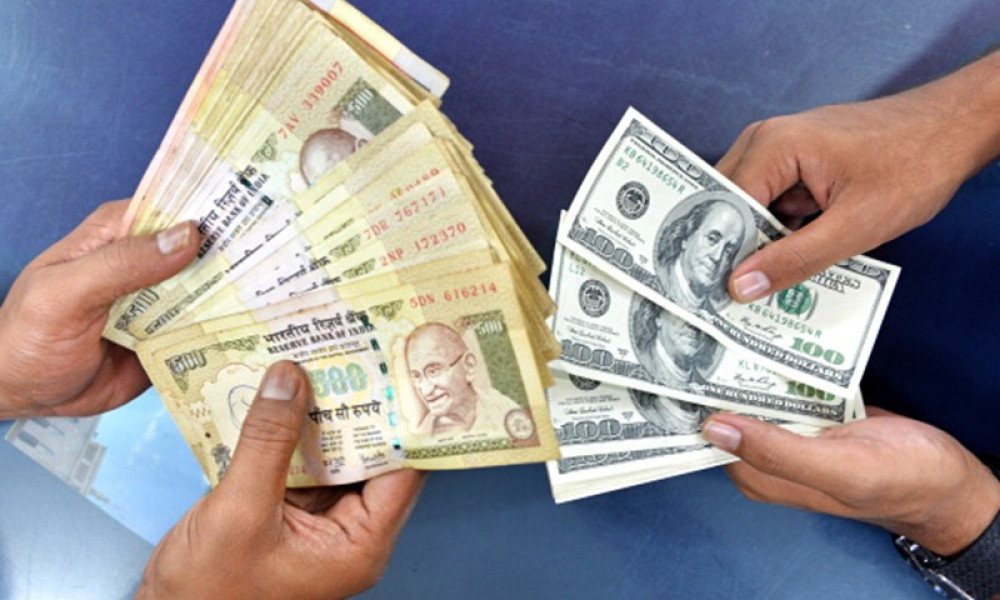
The rupee strengthened by 9 paise to 88.51 against the US dollar in early trade on Wednesday. This rise came despite volatile global equity markets affecting investor sentiment. Lower crude oil prices provided crucial support for the currency’s performance.
Forex traders noted the rupee faced pressure from a strong American currency. Foreign capital withdrawal from domestic stock markets added to the challenges. These factors created a complex trading environment for the Indian currency.
Investors closely monitored developments regarding the proposed India-US trade deal. Domestic PMI data scheduled for release later this week also drew attention. These elements contributed to market uncertainty during trading sessions.
At the interbank foreign exchange market, the rupee opened at 88.57. It quickly gained momentum to reach 88.51 against the greenback in initial deals. This represented a 9 paise increase from its previous closing level.
On Tuesday, the rupee had settled just 1 paisa lower at 88.60. The minor fluctuation reflected the currency’s delicate balance in global markets. Traders watched these movements carefully for emerging trends.
The dollar index showed modest gains during this period. It traded 0.04 percent higher at 99.49. This measurement gauges the greenback’s strength against a basket of six major currencies.
Brent crude futures declined 0.34 percent to USD 64.67 per barrel. This drop in global oil prices helped support the rupee’s position. Lower crude costs typically benefit import-dependent economies like India.
Domestic equity markets showed slight declines in early trading. The Sensex dropped 46.27 points to 84,626.75. The Nifty slipped 8.35 points to 25,901.70 during the same period.
Foreign institutional investors sold equities worth Rs 728.82 crore on Tuesday. This capital outflow created additional pressure on the rupee. Exchange data confirmed these significant foreign fund movements.
Commerce Minister Piyush Goyal offered optimistic remarks about trade negotiations. He indicated good news would come once the deal reached fair terms. His comments suggested progress in bilateral trade discussions.
US President Donald Trump recently stated both countries were close to agreement. He mentioned the US would lower tariffs on Indian goods at some point. These developments pointed toward potential trade resolution.
The rupee’s performance reflected multiple competing factors. Support from lower oil prices balanced against foreign capital outflows. Global market volatility added another layer of complexity.
Traders continued monitoring these various influences. Currency movements remained sensitive to both domestic and international developments. The market awaited clearer signals from upcoming economic data.
Early trading showed the rupee’s resilience despite challenges. The 9 paise gain demonstrated underlying strength in certain conditions. Market participants watched for sustained momentum throughout the day.