


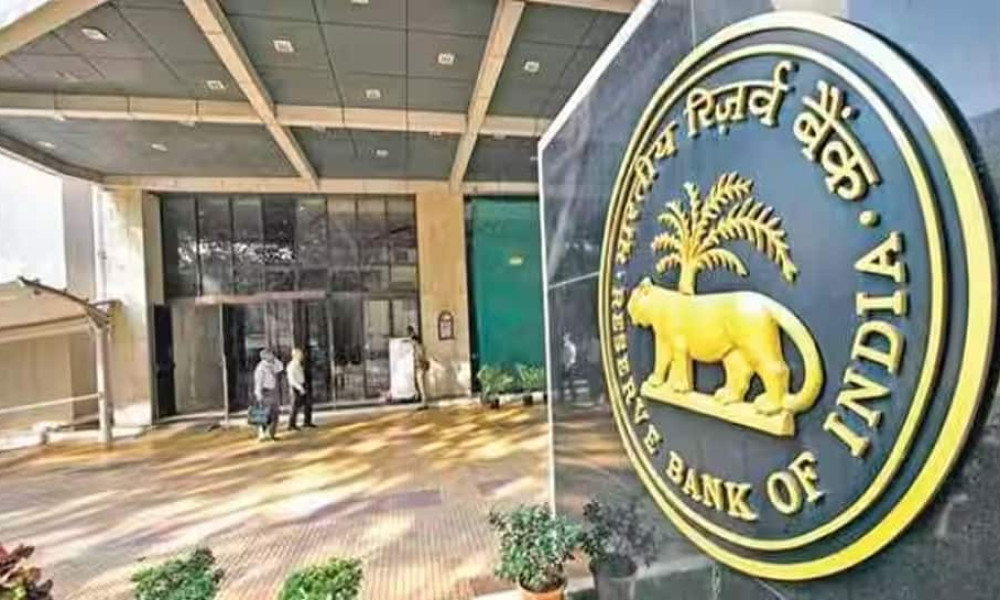
The Reserve Bank of India has unveiled a major liquidity injection plan. This move aims to ease the tight conditions currently gripping the banking system. It represents a significant intervention by the central bank.
The RBI will deploy a mix of two key instruments. These are open market operations and a foreign exchange swap. Together, they will add nearly Rs 3 trillion into the financial network.
This substantial liquidity boost was widely anticipated by the markets. Participants had expected such action even before last week’s events. The central bank’s steps are seen as a direct response to prevailing pressures.
The core of the plan involves purchasing government bonds. The RBI will buy securities worth Rs 2 trillion via open market operations. These purchases are scheduled across four specific dates in December and January.
Each tranche will be for Rs 50,000 crore. The dates are December 29, January 5, January 12, and January 22. This staggered approach provides a steady flow of funds.
Additionally, a three-year USD/INR buy-sell swap is set for January 13. This $10 billion transaction will further release rupee liquidity. It complements the bond purchase strategy perfectly.
The current liquidity squeeze stems from the RBI’s own actions in the forex market. Last week, it sold dollars aggressively to support the rupee. This intervention drained rupee funds from the system.
The rupee faced pressure from global uncertainty and foreign investor outflows. Concerns over a US trade deal and portfolio withdrawals weakened the currency. The RBI stepped in to prevent a sharp decline.
Market experts view this Rs 3 trillion liquidity package as timely and sufficient for now. They believe it addresses the immediate need. Any future action will depend on how conditions evolve.
Further steps may be necessary if forex market pressures continue. The central bank remains ready to act in the fourth quarter. Its primary goal is to ensure adequate system liquidity.
Governor Sanjay Malhotra recently reassured markets on this commitment. He promised continued support for liquidity. This pledge stands even without a formal surplus target.
The RBI has already been active this month. It injected about Rs 1.45 trillion in durable liquidity in December. This came through earlier bond buys and forex swaps.
Bond market participants have a specific request. They urge the use of more liquid government securities for the OMOs. This would improve participation and price discovery.
Using illiquid bonds can reduce effectiveness. Banks might bid at higher levels just to lock in gains. The choice of securities is crucial for impact.
This is not the first major intervention this year. In the first half, the RBI injected around Rs 9.5 trillion. That effort shifted the system from a deficit to a surplus.
Most of that historic support came via open market purchases. Long-term repo operations and USD/INR swaps also played a key role. The current move continues that proactive stance.