


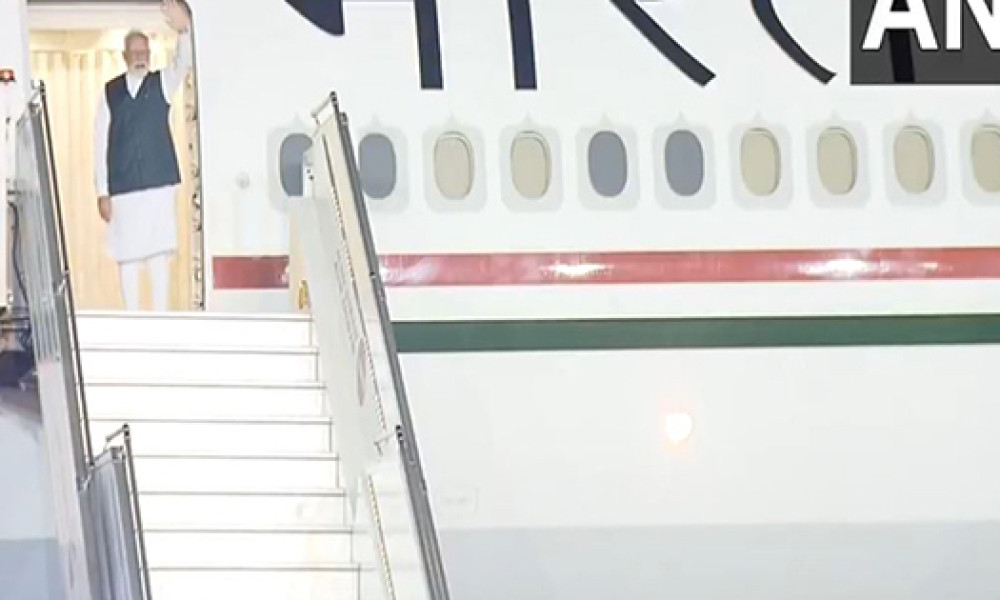
Prime Minister Narendra Modi has embarked on a significant two day official visit to Japan, marking his first standalone trip to the nation in nearly seven years. This highly anticipated visit is for the 15th India Japan Annual Summit, a cornerstone event in the robust diplomatic relationship between the two countries. The journey commenced from New Delhi on Thursday, with events scheduled from August 29 to 30.
This crucial visit comes at the special invitation of Japanese Prime Minister Shigeru Ishiba. During his stay, PM Modi is set to engage in the annual summit meeting with his Japanese counterpart, aiming to further solidify their strategic alliance. Following his engagements in Japan, the Prime Minister’s itinerary includes a trip to China from August 31 to September 1 to attend the Shanghai Cooperation Organisation (SCO) Summit in Tianjin.
Ahead of his departure, Prime Minister Modi released a statement emphasizing the profound importance of this journey. He underscored that both India and Japan are poised to focus on the ‘next phase’ of their Special Strategic and Global Partnership. This partnership has consistently demonstrated remarkable progress over the past 11 months, showcasing a dynamic and evolving relationship.
In his statement, PM Modi articulated an ambitious vision: “We would endeavour to give new wings to our collaboration, expand the scope and ambition of our economic and investment ties, and advance cooperation in new and emerging technologies, including AI and Semiconductors.” The Prime Minister also highlighted the visit’s potential to strengthen the deep rooted civilizational bonds and cultural ties that intricately connect the peoples of both nations. Imagine the excitement rippling through the Indian diaspora in Japan as they eagerly await PM Modi’s arrival .
The upcoming summit provides a vital platform for an in depth review of bilateral ties by both Prime Ministers. They will assess the significant progress made over the past few years across various domains, and, as is customary, engage in extensive discussions on regional and global issues of mutual interest. This comprehensive dialogue is expected to cover a wide array of topics, reflecting the depth and breadth of their strategic partnership.
Furthermore, the summit is anticipated to be a launchpad for new initiatives. These initiatives are specially designed to foster greater resilience within the India Japan relationship and effectively address emerging global challenges. A particularly exciting aspect of the program includes a visit outside Tokyo, which both leaders are undoubtedly looking forward to. This promises to add a unique dimension to the already packed schedule.
Beyond the official summit, PM Modi’s itinerary includes interactions with several other prominent political leaders from Japan. He will also meet with ‘Friends of India’ in Japan, further reinforcing community ties. A key highlight will be his participation in a business leaders’ forum, bringing together captains of Japanese and Indian industries. These crucial interactions are specifically aimed at deepening the already significant trade, investment, and technology relationships between the two economic powerhouses.
This trip marks a pivotal moment, being Modi’s first standalone visit to Japan in nearly seven years and his inaugural annual summit with Prime Minister Ishiba. While PM Modi did visit Japan in 2018 for the Annual Summit, his subsequent visits were primarily for multilateral engagements and other ceremonial events. This particular visit, however, stands out as it is fully dedicated to the bilateral agenda between India and Japan. Indeed, this is PM Modi’s eighth visit to Japan since assuming office in 2014, a testament to the extraordinarily high priority this relationship holds in India’s foreign policy.
The history of high level engagements between India and Japan is rich with significant milestones. In 2007, an iconic moment occurred when Japanese Prime Minister Shinzo Abe delivered his ‘Confluence of the Two Seas’ speech in the Indian Parliament, setting a new trajectory for bilateral relations. Six years later, in 2013, Emperor Akihito and Empress Michiko made history as the first Japanese imperial couple to visit India, profoundly strengthening cultural and diplomatic bonds. The warmth of the India Japan relationship grew even stronger in 2014 when Prime Minister Abe was honored as the Chief Guest of the Republic Day in India. More recently, in 2019, President Ram Nath Kovind attended Emperor Naruhito’s enthronement ceremony, elegantly showcasing India’s deep respect for Japan’s imperial traditions.
Recent years have witnessed an acceleration in the engagement between the two nations. March 2022 saw Japanese Prime Minister Kishida’s visit to India, during which he pledged a substantial JPY 5 trillion (approximately USD 42 billion) in investment. This visit also bore fruit with the launch of the Clean Energy Partnership and the advancement of the Industrial Competitiveness Partnership. Additionally, an exchange of notes was signed for seven yen loan projects, collectively worth over JPY 300 billion (USD 2.7 billion), powerfully demonstrating Japan’s unwavering commitment to supporting India’s developmental aspirations.
Prime Minister Kishida returned to India in March 2023, where another significant development unfolded. The fourth tranche of Official Development Assistance (ODA), valued at JPY 300 billion (approximately INR 18,000 crore or USD 2.2 billion), was signed for the flagship Mumbai Ahmedabad High Speed Rail Project. This visit further expanded cooperation with the launch of new initiatives in tourism and environmental protection.
The bond continued to solidify in May 2023 when Prime Minister Modi attended the G7 Summit in Hiroshima, Japan. A poignant moment occurred when he unveiled a statue of Mahatma Gandhi near Peace Park, a powerful symbol of India’s enduring commitment to peace and non violence. Later, in September 2023, Prime Minister Kishida visited India again for the G20 Summit. During this crucial meeting, both leaders meticulously coordinated G7 G20 priorities and vocally highlighted the pressing concerns of the Global South.
The strengthening relationship was again on display with the meeting of PM Modi and Japanese PM Kishida at the G7 Summit in Italy in June 2024, an occasion that also marked 10 years of the Special Strategic Partnership between India and Japan. In October 2024, PM Modi met with Prime Minister Ishiba in Vientiane during the ASEAN Summit, serving to further reinforce their tight bilateral ties. More recently, in September 2025, the two leaders convened during the Quad Summit in Wilmington, Delaware.
The personal goodwill between the two leaders is undeniably strong. Evidence of this was seen when PM Ishiba telephoned PM Modi in April 2025 to express heartfelt condolences following the tragic Pahalgam terror attack, demonstrating the deep personal rapport that exists between the leaders of these two important nations. The routine yet vital engagements between Foreign Ministers, Defence Ministers, and NSAs also underscore the comprehensive nature of their cooperation, with the latest 2+2 Ministerial occurring in New Delhi in 2024 and the Foreign Ministers’ Strategic Dialogue in the same year.
Beyond diplomatic and strategic convergence, both countries boast a robust trade and investment relationship. Bilateral trade between India and Japan reached a commendable USD 22.8 billion in 2023 24. While India’s imports from Japan currently outweigh its exports, the trade basket is diverse. Main items exported to Japan include chemicals, vehicles, aluminium, and seafood, while imports from Japan primarily consist of machinery, steel, copper, and reactors. In the first nine months of the 2024 25 fiscal year, bilateral trade totaled USD 21 billion, signifying stability and consistent engagement in trade relations.
Japan stands as India’s fifth largest source of foreign direct investment (FDI), with cumulative investment reaching an impressive USD 43.2 billion up to December 2024. Annual FDI inflows from Japan have consistently remained strong, clocking in at USD 3.1 billion in 2023 24 and USD 1.36 billion in 2024 25 (April December). Japanese companies consistently rank India as an incredibly promising long term investment destination. There are approximately 1,400 Japanese companies with nearly 5,000 establishments operating successfully in India, while over 100 Indian companies have a presence in Japan. Intriguingly, profitability rates and expansion plans for Japanese companies in India remain remarkably high, indicating unwavering confidence in the Indian market.
The two countries are also proactively exploring exciting new areas of cooperation. These include digital cooperation in critical sectors such as semiconductors and startups, clean energy initiatives, strengthening supply chain resilience, enhancing industrial competitiveness, and fostering skill development. Such multifaceted engagement ensures a future proof and dynamic partnership.
Overall, this landmark visit will undoubtedly consolidate the long standing friendship between India and Japan. It is poised to open fresh avenues of cooperation and powerfully reaffirm their shared commitment to peace, prosperity, and stability, not just for the two countries themselves, but also in the broader Indo Pacific region and globally. The strategic significance of this India Japan partnership cannot be overstated.
This India Japan summit is more than just a meeting; it’s a reaffirmation of a shared vision for a prosperous and stable future. The focus on technology transfer, economic collaboration, and cultural exchange exemplifies a comprehensive approach to diplomacy. The Indian diaspora watches with pride as PM Modi strengthens these vital bonds. The world watches the robust India Japan relationship.