


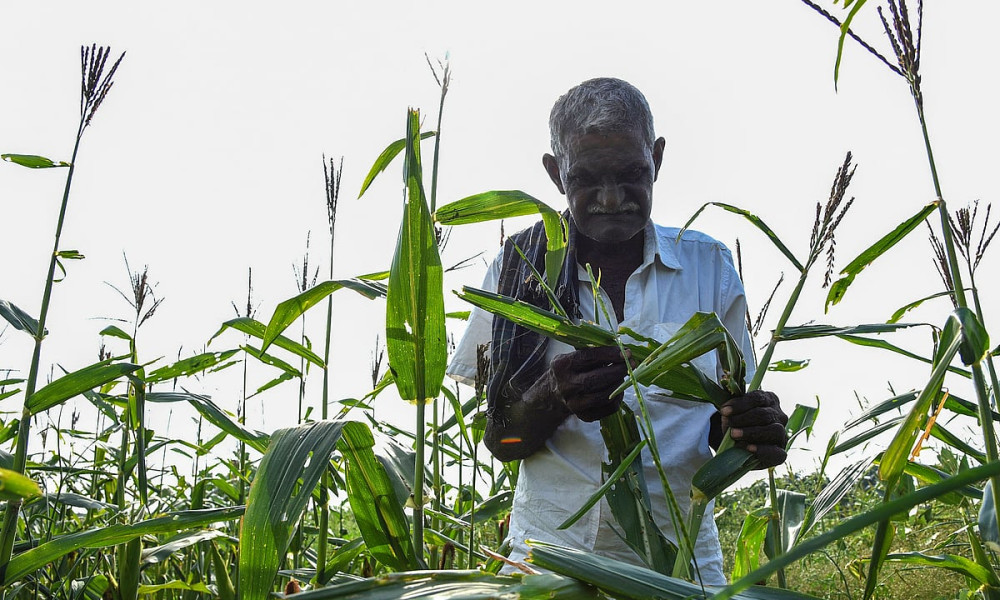
India’s push to turn farmers into energy providers is hitting a major roadblock. Maize farmers are facing severe financial strain as ethanol production fails to deliver promised benefits. The government’s vision of agricultural transformation is clashing with harsh market realities.
Prices for maize have plummeted to nearly half the official minimum support price. This sharp decline is creating a crisis for those who cultivated the crop. Farmers invested in production expecting stable returns that have not materialized.
Ramapal Jat of Kisan Mahapanchayat highlighted the growing difficulties. He explained how market speculation about cheaper US imports is driving down domestic prices. This situation allows ethanol manufacturers to secure substantial profits while farmers suffer losses.
The current market price of maize sits around Rs 900 per quintal. This figure falls significantly below both the MSP and actual production costs. Farmers are unable to recover their investment in growing the crop.
The government had set the MSP for maize at Rs 2,400 per quintal. This price was intended to provide farmers with a safety net. However, market realities have made this guarantee meaningless for many.
Nasrullaganj maize mandi in Madhya Pradesh reported prices of just Rs 1,121 per quintal. This market is one of India’s largest for maize trading. The figures demonstrate how widespread the price collapse has become.
Rajasthan’s Nahargadh mandi recorded even lower prices at Rs 1,100 per quintal. These numbers show the regional consistency of the problem. Farmers across different states face similar financial challenges.
Bihar, as the third-largest maize producer, saw prices drop to Rs 900 per quintal. This state’s experience mirrors the national trend. The price drop affects some of India’s most important agricultural regions.
The government estimates production costs at Rs 1,952 per quintal. Current market prices don’t even cover this basic expense. Farmers are essentially selling at a loss with each transaction.
Ethanol manufacturers benefit from the cheaper maize prices. Their production costs decrease while farmers bear the financial burden. This imbalance threatens the sustainability of agricultural livelihoods.
The ethanol rush was supposed to create new opportunities for farmers. Instead, it has created a situation where they cannot recover costs. The transition from food to energy production has proven problematic.
Market speculation continues to drive prices downward. The threat of imported maize creates uncertainty for domestic producers. Farmers feel caught between government policies and market forces.
The gap between promised prices and market reality keeps widening. This disparity makes farming increasingly unsustainable. Many maize growers face difficult decisions about their future.
The ethanol production chain shows clear winners and losers. While manufacturers profit, farmers struggle to survive. This imbalance requires urgent attention from policymakers.
Farmers organizations continue to voice their concerns about the situation. They seek solutions that address both market realities and production costs. The future of maize farming hangs in the balance.