


Kerala’s response to the Union Budget is one of sharp disappointment. Both the ruling LDF and opposition UDF have slammed it for what they call total neglect. The only positive note is an increased share from the central tax pool.
This rise will see the state receiving around Rs 9,500 crore more than the previous fiscal. It stems from the 16th Finance Commission’s recommendation. The state’s share from the divisible pool is set to increase from 1.925% to 2.382%.
This change will be effective for five years starting 2026-27. Accordingly, Rs 36,355 crore has been earmarked for Kerala in this budget. That is up from Rs 26,814 crore allocated last year.
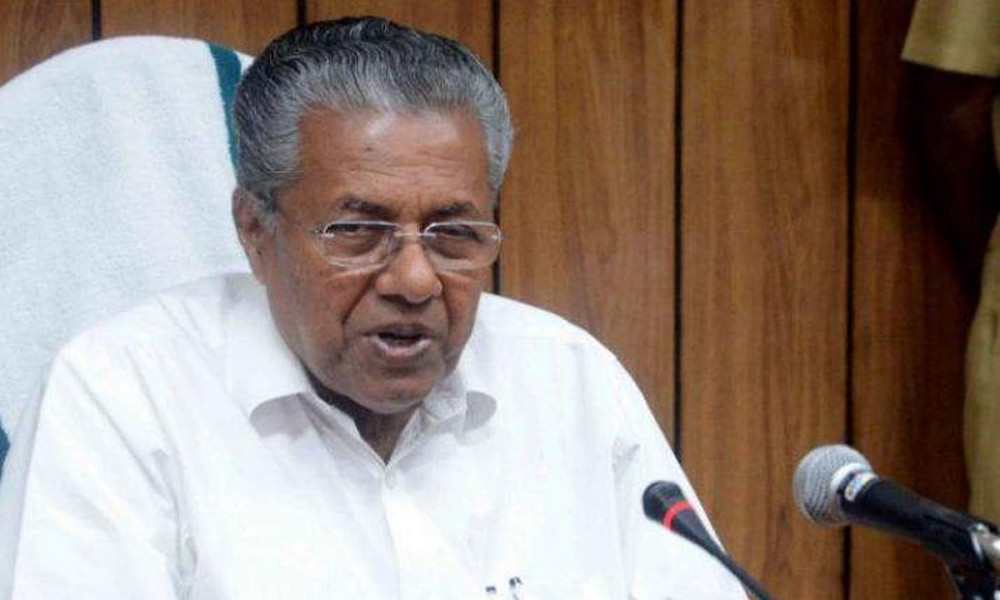
Yet, this financial boost did little to assuage the state’s leaders. They argue the budget overlooks Kerala’s major developmental proposals. Chief Minister Pinarayi Vijayan pointed to several ignored demands.
He listed the need for an AIIMS, high-speed railway corridors, and a Vizhinjam port package. Vijayan also criticized the retention of the vertical devolution share at 41%. He said this weakens the principles of federalism.
The budget did announce two specific projects for the state. These are a ‘Rare Earth Corridor’ and a ‘Turtle Trail’. However, these announcements have sparked controversy rather than celebration.
Vijayan alleged the Centre’s ‘Rare Earth Corridor’ aims to appropriate Kerala’s mineral wealth. He said it would facilitate private monopoly in mining. This central scheme differs from the state’s own proposal.
Kerala had sought Rs 1,000 crore for its own ‘Rare Earth Corridor’ project. This was announced in the state budget on January 29. None of the state’s major proposals from pre-budget consultations were considered.
The sense of neglect was echoed by the opposition. Leader of Opposition V D Satheesan posed a stark question. He wondered whether Kerala was considered part of India.
Satheesan referenced claims by PM Narendra Modi and BJP leaders about ‘Vikasitha Kerala’. He asked if this budget would help in the state’s development. He called it a warning and evidence of the BJP’s neglect.
The BJP state president, Rajeev Chandrasekhar, defended the central budget. He argued it was futile to announce new projects for Kerala. His defense shifted the blame back to the state government.
Chandrasekhar alleged Kerala did not implement projects already sanctioned by the Centre. He cited the failure to acquire land for AIIMS as an example. He also claimed the state did not utilize money sanctioned for the PM Awas Yojana.
Thus, the budget has deepened political divisions. The increased tax share is a technical win overshadowed by political grievance. The narrative is dominated by accusations of discrimination and unfulfilled promises.
The state’s leadership feels its specific needs were disregarded. The announced projects are viewed with suspicion, not as genuine support. This budget episode highlights ongoing tensions in Centre-State relations.
Kerala’s disappointment is palpable and politically charged. The financial increase fails to mask the perceived policy neglect. The debate continues over who is responsible for the state’s development.