


India’s electronics and semiconductor ambitions have entered a crucial second phase. The focus is shifting beyond assembly to high-value manufacturing and materials research. This marks a significant evolution in the nation’s industrial strategy.
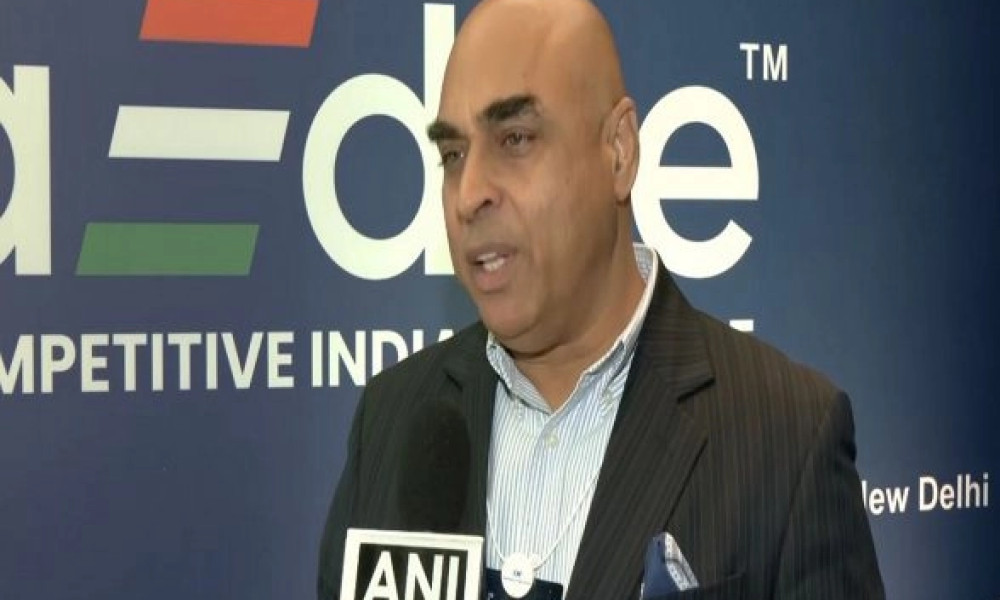
Vinod Sharma, Chairman of CII’s National Committee on Electronics Manufacturing, describes the journey as a relay race. He says India is now in the second leg of a four-part sprint. The initial phase was defined by assembly growth.
That first leg was heavily supported by the Production-Linked Incentive scheme. Sharma notes the PLI for large-scale electronics performed very well. However, that particular incentive program is now approaching its sunset period.
The government’s sustained policy support has been pivotal. Sharma expressed satisfaction with the backing through ISM 1.0 and the SPECS scheme. This support has now been converted into a new policy called ECMS, the Electronic Component Manufacturing Scheme.
Investor response to the new ECMS scheme has been overwhelmingly positive. The government has received nearly double the expected investment applications. This surge is a strong vote of confidence in India’s manufacturing direction.
Sharma called this a big compliment to the government and the scheme’s timing. It also reflects the global interest in India’s electronics manufacturing landscape. The approval process for these investments is moving swiftly.
The Ministry of Electronics and Information Technology is processing applications rapidly. Officials are aiming to clear about eight to ten approvals every single week. This pace underscores the initiative’s momentum.
The second tranche of approvals under the scheme has already been released. Industry stakeholders are now anticipating the announcement of a third batch. This continuous rollout keeps the progress visible and steady.
Global geopolitical tensions are acting as a catalyst for this deeper push. China’s policy of weaponizing key supply chain materials, including rare earths, has triggered a response. India is now taking steps to build greater self-reliance, or Atmanirbhar Bharat.
The government has launched a ₹7,600 crore initiative focused on rare earths. Sharma welcomed this move but noted that capability-building is a gradual process. It involves stages from mining and refining to final application.
India’s vision extends beyond just rare earths. The country is now looking at many other critical metals. The ECMS scheme places equal emphasis on building the material base for electronic components.
Looking to the future, the industry awaits a major research and development initiative. Sharma mentioned the anticipated RDI scheme worth one lakh crore rupees. This investment is seen as critical for the next stage of innovation.
At upcoming forums like the CII India Edge, the sector will advocate for specific allocations. The push will be to direct funds toward material research for electronic components and semiconductors. This underscores the long-term strategic thinking now driving the semiconductor push.
The transition from assembly to deep manufacturing represents a fundamental shift. It positions India not just as an assembler but as an integral part of the global semiconductor value chain. The journey is complex, but the current acceleration is undeniable.