


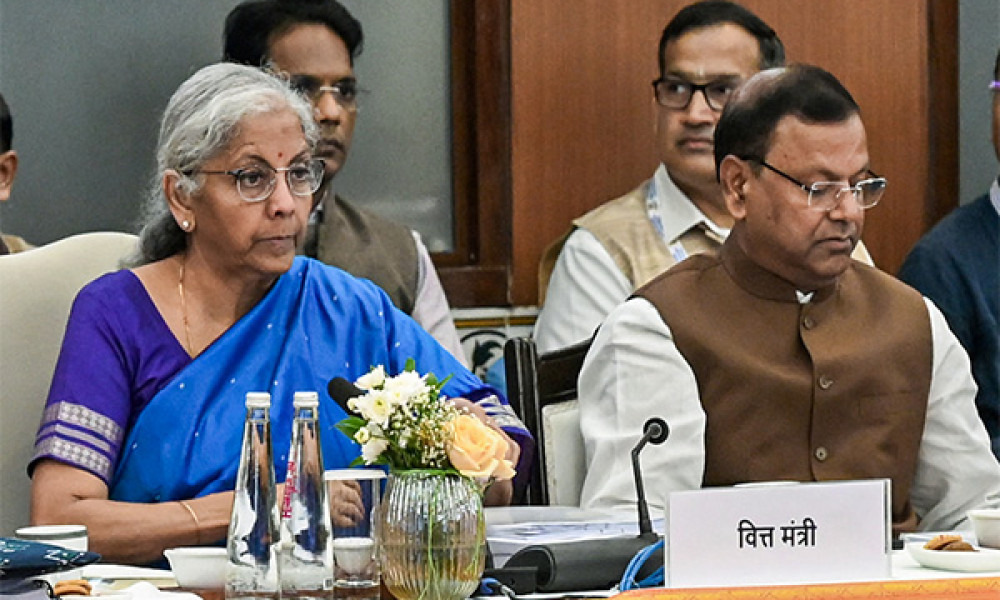
Get ready for some truly exciting news out of India! Finance Minister Nirmala Sitharaman has just unveiled a massive reform, cutting Goods and Services Tax (GST) rates across a huge array of sectors. This isn’t just a minor tweak; it’s being hailed as the “Next-Gen GST Reform” and a historic Diwali gift for the entire nation. The aim? To ease the cost of living for everyone from households to farmers and businesses, all while giving the economy a much-needed boost.
Here’s the big news: the 56th GST council meeting decided to streamline GST rates into just two main slabs: 5 percent and 18 percent. This means the previous 12 percent and 28 percent rates are being merged, simplifying things considerably and putting more money back into your pocket.
Let’s dive into what this means for your daily life. Believe it or not, many of your everyday essentials are about to become significantly cheaper. Products like hair oil, shampoo, toothpaste, toilet soap bars, toothbrushes, and even shaving cream have seen their GST rates slashed from 18 percent all the way down to a mere 5 percent. That’s a substantial saving on items you buy regularly. Think about it: a little saving on each item adds up quickly!
And it doesn’t stop there. Other common household goods are also getting a price cut. Butter, ghee, cheese, and dairy spreads, along with popular snacks such as pre-packaged namkeens, bhujia, and mixtures, will now be subject to only 5 percent GST, down from the previous 12 percent. Even utensils, feeding bottles, napkins for babies, clinical diapers, and sewing machines will see the same reduction. This move is fantastic news for families, making basic necessities more affordable.
Beyond just household goods, the government is also making healthcare more accessible and affordable. In a truly significant step, individual health and life insurance policies have been completely exempted from GST, effectively bringing their rate down from 18 percent to nil. This is huge for peace of mind and financial planning. But the healthcare relief continues: items like thermometers, medical-grade oxygen, diagnostic kits, reagents, glucometers, test strips, and corrective spectacles have also seen their GST rates cut to 5 percent. This is a massive relief for patients and healthcare providers alike, helping to reduce the overall burden of medical expenses in India.
Farmers, who are the backbone of the nation, haven’t been forgotten either in this sweeping GST reform. The agriculture sector is receiving much-needed assistance. Tractor tyres, various tractor parts, and specific agricultural machinery vital for soil preparation, cultivation, harvesting, and threshing will now attract a 5 percent GST. This is a considerable drop from the earlier 18 percent or 12 percent rates they faced. Moreover, essential farming tools like drip irrigation systems, sprinklers, bio-pesticides, and micronutrients have also been brought under the 5 percent slab. This will directly translate into reduced input costs for **farmers**, making their operations more economical and sustainable.
The automotive sector is also seeing significant changes, making personal and commercial transport more affordable. Petrol, LPG, and CNG hybrid cars up to 1200 cc and 4000 mm will now have GST rates cut from 28 percent to 18 percent. This is a considerable discount for car buyers. Diesel hybrid cars up to 1500 cc and 4000 mm, three-wheelers, motorcycles with engines of 350 cc and below, and goods transport vehicles will also now attract 18 percent GST instead of 28 percent. This move is expected to provide a substantial boost to the automobile industry and to consumers looking to purchase vehicles.
The education sector is also set to benefit directly from the GST rationalization. GST on essential school supplies such as maps, charts, globes, pencils, sharpeners, crayons, pastels, exercise books, notebooks, and erasers has been completely removed. This means these items are now tax-free, which translates to direct savings for students and parents. Education becoming cheaper is always a welcome step.
And for those eyeing new home electronics, there’s good news on that front too. Electronic appliances like air conditioners, televisions, monitors, projectors, and dishwashers will now attract 18 percent GST, a welcome reduction from the previous 28 percent. This makes those desired upgrades and new purchases more accessible.
Prime Minister Narendra Modi expressed his optimism regarding these new GST rates. He emphasized that they are specifically designed to benefit every single Indian citizen. He noted that taxes for the general public will be reduced substantially, providing much-needed relief. He also highlighted that MSMEs and small entrepreneurs will receive immense benefits, helping small businesses thrive. Everyday items will indeed become cheaper, which is expected to give a significant boost to the overall economy of India, enhancing purchasing power.
Beyond just rate changes, the government has also introduced crucial process reforms to improve efficiency. These include automatic registration within three working days, streamlining administrative hurdles for businesses. Additionally, there will be faster refunds through a system-based risk evaluation, making financial operations smoother for businesses. All these changes mark a significant effort to create a more consumer-friendly and business-friendly environment across the country. The net revenue implication for the government due to this rate rationalization is estimated to be Rs 48,000 crore, a clear indication of the scale of this substantial **reform**.