


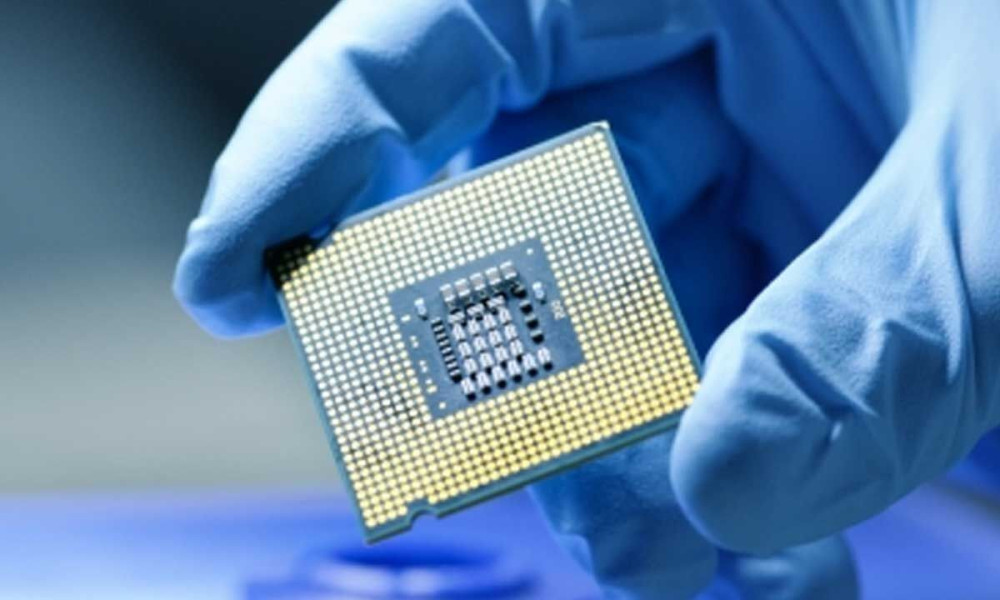
The Indian government has unveiled the next phase of its semiconductor strategy. This ambitious move aims to build a comprehensive chip manufacturing ecosystem. It will cover everything from equipment and materials to indigenous designs.
Finance Minister Nirmala Sitharaman announced the India Semiconductor Mission 2.0. The plan focuses on industry-led research and training centers. These centers are crucial for developing technology and a skilled workforce.
Sitharaman highlighted the success of the initial mission. She stated that ISM 1.0 successfully expanded India’s semiconductor sector capabilities. The new mission will build directly upon this foundation.
The goal is to produce critical equipment and materials. It also aims to design fullstack Indian intellectual property. Fortifying supply chains is another key objective.
In a significant boost, the Electronics Components Manufacturing Scheme sees its outlay nearly doubled. The scheme launched in April 2025 with Rs 22,919 crore. Its outlay is now proposed to increase to Rs 40,000 crore.
This increase capitalizes on tremendous early momentum. Investment commitments have already reached double the original target. The government is seizing this opportunity to scale up.
The Ministry of Electronics and IT has received strong interest. By January, 46 applications were submitted. These proposals total an investment of Rs 54,567 crore.
These investments promise substantial job creation. They are expected to generate direct employment for about 51,000 people. This is a major win for the domestic tech workforce.
Major industry players are participating. The list includes Samsung, Tata Electronics, and Dixon. Foxconn’s Yuzhan Technology and ATLbattery are also involved.
Other participants are Motherson Electronic, Kaynes, and Amber Electronics. This broad participation signals strong industry confidence. The semiconductor mission is attracting top-tier companies.
The budget also aims to reduce import dependency. It seeks to improve access to high-level experts for electronics manufacturing. Recent geopolitical tensions highlighted the need for this self-reliance.
A key incentive is a five-year income tax exemption. It applies to non-residents providing capital goods to toll manufacturers in bonded zones. This measure is designed to attract foreign expertise and equipment.
Sitharaman proposed an exemption for global income of non-resident experts. This applies for a stay period of five years under notified schemes. The goal is to encourage global talent to work in India longer.
Industry body ICEA welcomed these fiscal measures. They highlighted the tax exemption for foreign suppliers. The safe harbour framework for warehousing is another positive step.
Customs decriminalisation and extended advance rulings were also praised. These measures are expected to improve ease of doing business. They should reduce compliance friction and strengthen investor confidence significantly.