


India and Israel have officially begun the first round of negotiations for a free trade agreement. The four-day talks, set to conclude on February 26, aim to significantly boost commercial ties and promote investments between the two nations. This marks a fresh start after previous discussions had stalled.
The groundwork was laid last November when both countries signed the terms of reference to formally initiate the negotiations. These terms outline the key areas for discussion and collaboration. It sets the stage for a comprehensive economic partnership.
A free trade agreement typically involves the significant reduction or elimination of import duties on a vast majority of traded goods. Beyond tariffs, such pacts also work to ease norms governing trade in services and investments. The goal is to create a smoother, more predictable trading environment.
The specific terms of reference cover a wide range of critical areas. They include market access for goods by removing both tariff and non-tariff barriers. The talks will also focus on investment facilitation and simplifying customs procedures.
Increasing cooperation for innovation and technology transfer is another key pillar. Easing norms to promote trade in services rounds out the ambitious agenda. This holistic approach aims to deepen the economic relationship far beyond simple goods exchange.
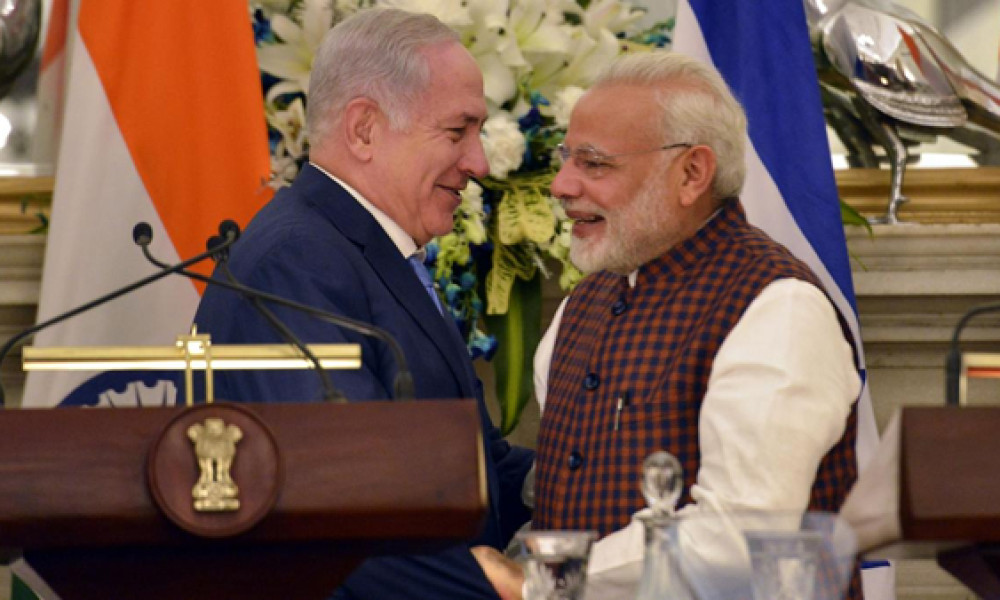
The timing of these negotiations is particularly significant. They are happening just as Prime Minister Narendra Modi prepares for a visit to Israel on February 25-26. This high-level engagement underscores the political importance both nations place on securing a deal.
This is not the first attempt at forging such an agreement. The two countries were engaged in eight rounds of talks earlier, with the last one held in October 2021. Those discussions eventually stalled, but the commitment has been renewed. Both sides are now back at the table with fresh momentum.
Recent trade figures highlight why this FTA is needed. During 2024-25, India’s exports to Israel dipped sharply by 52 percent to USD 2.14 billion. Imports from Israel also fell by 26.2 percent to USD 1.48 billion in the last fiscal year. The total bilateral trade stood at USD 3.62 billion.
Despite the recent dip, India remains Israel’s second-largest trading partner in Asia. This position highlights the underlying strength and potential of the economic relationship. An agreement could help reverse the recent decline and set a new growth trajectory.
The trade basket between the two countries is evolving. While bilateral merchandise trade is still dominated by diamonds, petroleum products, and chemicals, new areas are emerging. Recent years have seen increased trade in electronic machinery, high-tech products, communications systems, and medical equipment.
India’s major exports to Israel include a diverse range of products. The list features pearls and precious stones, automotive diesel, and various chemical and mineral products. Machinery, electrical equipment, plastics, textiles, apparel, base metals, transport equipment, and agricultural products also feature prominently.
On the import side, Israel sends pearls and precious stones, chemical and mineral or fertiliser products to India. Machinery, electrical equipment, petroleum oils, defence equipment, and transport equipment are also key imports. An FTA could streamline and expand these flows.
Commerce and Industry Minister Piyush Goyal highlighted the agreement’s potential in Tel Aviv last November. He stated the FTA would open doors for greater market access and flow of capital in both goods and services. It would remove obstacles in doing business and provide much-needed clarity and predictability to the economic engagement.
The investment landscape is also being prepared. In September last year, both countries inked a Bilateral Investment Agreement. A key provision of this BIA saw India reduce the local remedies exhaustion period for Israeli investors from five years to three. This makes the investment climate more attractive.
Foreign direct investment figures show a steady stream of capital. From April 2000 to June 2025, India received USD 337.77 million in FDI from Israel. An FTA could significantly amplify this figure, encouraging more Israeli technology and innovation to find a home in India.
Israel represents a unique market opportunity. It is a high-income, technology-driven economy with a population of under 10 million. For Indian businesses, it offers a gateway to cutting-edge innovation and a demanding consumer base. The free trade agreement is the key to unlocking this potential.