


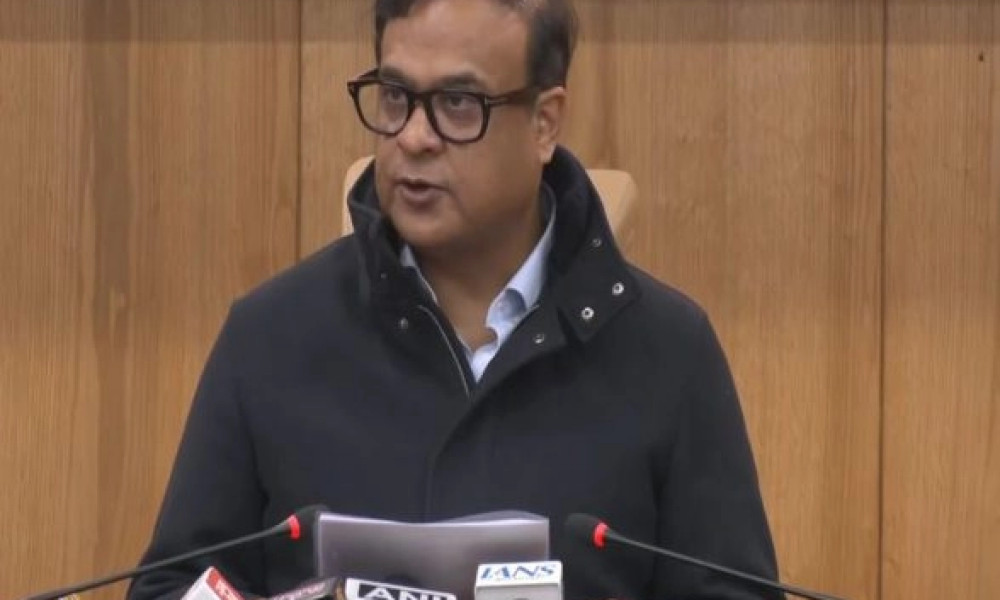
The Assam government has officially constituted the 8th Assam Pay Commission. This significant body will be chaired by retired IAS officer Subhash Chandra Das. Its formation marks a major step in reviewing state employee compensation.
The order was issued by the Finance Department’s Pay Research Unit. The Secretary of this department will serve as the Member Secretary. Several other senior officials and a university professor complete the commission’s roster.
This commission has a clear and defined scope. It will examine the principles for emoluments and service conditions for State Government employees. However, several key groups are explicitly excluded from its review.
Excluded are Officers of All India Services. Also excluded are posts in various educational institutions drawing specific technical pay scales. Judicial Service Officers with pay set by other commissions are not covered.
The commission’s mandate is comprehensive and forward-looking. It must recommend revisions that are equitable, performance oriented, and fiscally sustainable. This balance is crucial for the state’s financial health.
Several critical factors must be taken into account during this review. These include the historical evolution of pay structures within Assam. Prevailing macro-economic conditions at both national and state levels are also vital considerations.
The implications of development planning and employment expansion will be weighed. The state’s revenue resources and its medium-term fiscal framework are fundamental to the analysis. Recommendations from the upcoming 8th Central Pay Commission will also be reviewed when available.
Legal and fiscal guardrails are firmly in place. The provisions of the Assam Fiscal Responsibility and Budget Management Act of 2005 must be respected. The commission is also tasked with detailed fiscal impact modeling.
It must provide year-wise fiscal impact projections under different implementation scenarios. The commission will recommend phased or staggered implementation options where necessary. This ensures careful cash-flow management and maintains debt sustainability parameters.
The government’s perspective is rooted in recent history. The current pay structure has been in force since April 2016. It was implemented based on recommendations from the 7th Assam Pay & Productivity Pay Commission.
This new review is part of a broader governmental commitment. The state aims to strengthen fiscal sustainability while improving service delivery outcomes. Enhancing administrative efficiency is a parallel and key goal.
The government views pay revision as linked to structural reform. It believes revisions must accompany changes in human resource management and technology adoption. A shift towards outcome-based governance and manpower rationalization is also envisioned.
Productivity enhancement is a central theme. The government sees digital technology as key to improving public service delivery. Integrating HR systems with financial management is part of this digital push.
Performance will be measured and developed. The plan includes establishing measurable performance metrics for employees. Targeted skill development through structured training is also on the agenda.
Any new incentive frameworks will have clear rules. They must be linked to objectively measurable benchmarks. Crucially, they must remain consistent with the state’s fiscal capacity and existing fiscal responsibility laws.
The commission will be based in Guwahati. It has a timeline of 18 months to submit its final report. This deadline may be extended by the government if required.
This move sets the stage for a significant overhaul of Assam’s public sector compensation. It intertwines financial prudence with modern governance ideals. The outcome will shape the state’s administrative landscape for years to come.