


Expectations are mounting among millions of central government employees. The 8th Pay Commission is progressing toward finalising its recommendations. This comprehensive salary and pension overhaul officially commenced on January 1, 2026.
The commission is projected to submit its findings within the next 14 to 18 months. Its implementation will trigger substantial pay revisions. It may also bring significant backdated payments.
This could mark one of the largest financial boosts for the public sector in recent years. The focus for many is the accumulation of arrears. These cover the period between the commission’s start and its eventual implementation.
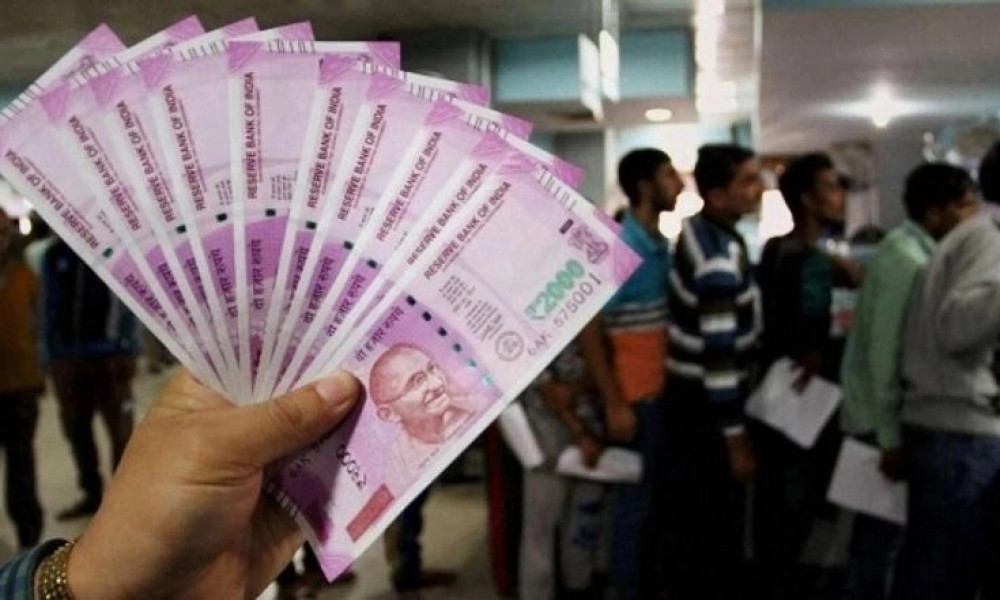
Early estimates suggest staff could receive backdated payments for about 20 months. The one-time payouts are expected to range widely. Depending on pay grades, they could go from INR 3.6 lakh to a staggering INR 15 lakh.
These figures remain subject to final approval by the Union Cabinet. The final structure will follow the submission of the commission’s report. Employee unions have been active in negotiations.
They advocate for a fitment factor in the range of 3 to 3.25. This multiplier is used to determine new pay scales. If accepted, the impact on take-home pay would be transformative.
For instance, such a fitment factor could elevate the current minimum basic salary. It might jump from INR 18,000 to approximately INR 54,000. This shift aims to align compensation with inflation and the rising cost of living.
While the revision affects all levels, higher basic pay brackets see the most significant nominal gains. The 8th Pay Commission follows a decadal tradition. It reviews the pay structure of central government employees and pensioners.
The evaluation process is currently underway. The final report is expected by mid-to-late 2027. It will then undergo a review by the Finance Ministry.
Subsequently, it will be presented to the Cabinet for final approval. Observers note the broader economic implications of this move. A significant infusion of liquidity into the hands of lakhs of employees is likely.
This could provide a strong boost to domestic consumption. It may also stimulate the broader economy. The wait for the 8th Pay Commission’s final word continues.
The potential changes promise a major shift for central government staff. The coming months will be crucial for finalising these recommendations.