


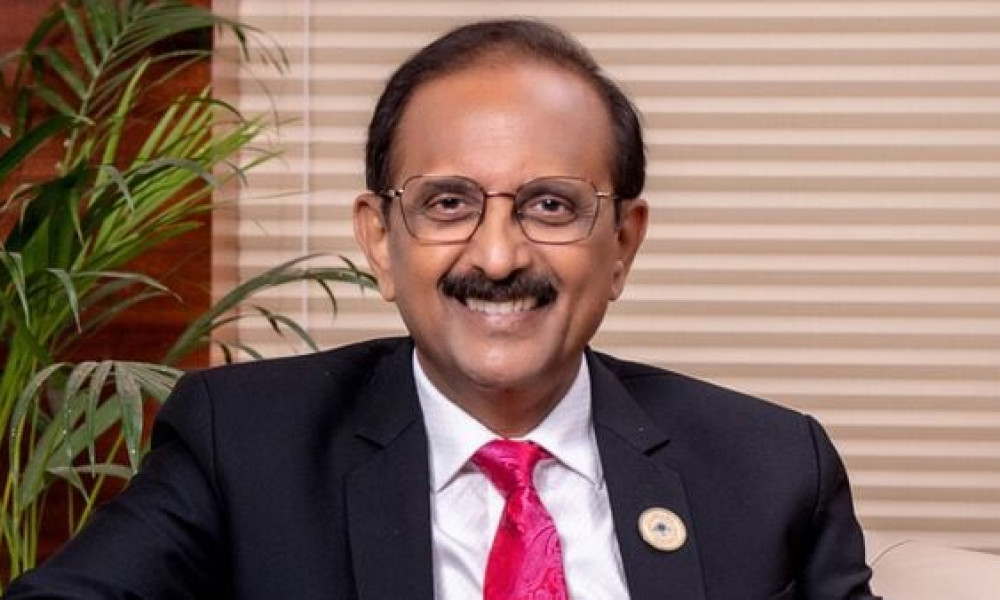
The recent trade deal between India and the US is an extremely positive development. SBI Chairman C S Setty stated it removes the overhang of tariffs, benefiting the domestic economy. This clarity is a major win for trade relations.
Setty emphasized that this agreement, alongside other free-trade pacts, provides greater clarity for trade. This clarity benefits the overall economy and exporters directly. It marks a significant step in international economic cooperation.
Just recently, India and the European Union signed their own free-trade agreement. Prime Minister Narendra Modi highlighted its potential to strengthen manufacturing and services. Investor confidence is expected to receive a substantial boost from these moves.
Previously, US President Donald Trump had imposed steep tariffs on Indian goods. A total of 50% duty affected key exports like textiles and auto components. This move pressured several Indian sectors heavily reliant on the US market.
Exporters responded with remarkable agility. Following the tariff imposition, they successfully diversified into other geographies. This strategic shift helped mitigate potential losses over the last few months.
The new deal changes the landscape dramatically. Washington will lower its reciprocal tariff on Indian goods from 25% to 18%. This reduction is a crucial step forward.
President Trump announced the agreement late Monday India time. He stated that he and Prime Minister Modi agreed to the trade deal. This comes nearly a year after both sides committed to working towards a comprehensive bilateral agreement.
India’s specific tariff reductions are part of the pact. The country will reduce its tariffs and non-tariff barriers against the US to zero. New Delhi has not yet commented on the exact duties it will levy on US imports.
Additional relief comes from the removal of an extra 25% duty. This duty was applied in response to India’s crude purchases from Russia. Its removal, as reported by Bloomberg, further eases trade tensions.
Banking sector concerns have been alleviated. Setty addressed worries that high tariffs would impact asset quality. He confirmed that this did not happen.
Multiple relief measures played a key role. The RBI and the government provided support to cushion the impact. While not all relief options were widely used, they provided a necessary safety net.
The RBI announced specific measures in November. These aimed to ease access to working capital and enable higher borrowing limits. Loan repayments were deferred until the end of the calendar year.
A list of twenty eligible sectors was notified. It included textiles, leather, chemicals, vehicles, and surgical equipment. The central bank’s package was designed for broad coverage.
Expert analysis downplays the overall impact. RBI Governor Sanjay Malhotra had previously noted a minimal impact. He cited India’s domestic demand-driven economy as a buffer.
Targeted sectors did feel the pressure, but relief packages were deployed. Both the RBI and the Government of India provided support. The economy’s fundamental strength helped navigate the challenge.