


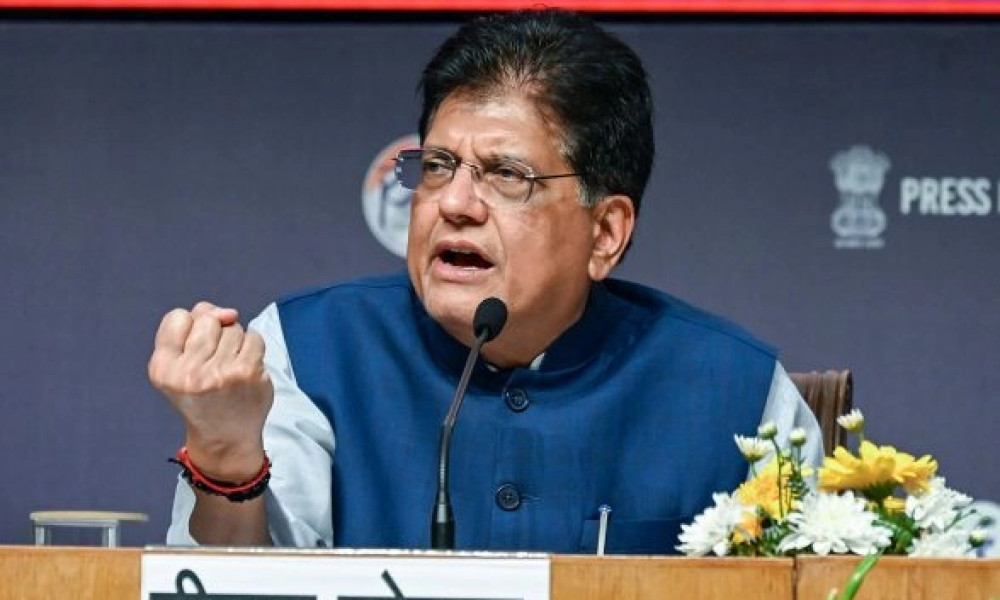
The year 2025 has closed with a resounding success for India’s international trade and digital infrastructure. Union Minister Piyush Goyal’s year-end recap highlighted a period of remarkable achievement and strategic progress. This growth was marked by record-breaking export figures and the finalization of major global trade agreements.
A significant shift toward automated trading platforms and a reduction in regulatory hurdles for businesses defined the year. The government’s focus remained sharply on concluding key Free Trade Agreements while driving export numbers to new heights. These efforts were part of a broader push to modernize and streamline the nation’s commercial framework.
India’s total exports soared to an unprecedented peak of USD 825.25 billion during the 2024-25 period. This represented a solid annual growth of 6.05 per cent, underscoring the economy’s robust performance. The services sector was a powerhouse, contributing a record USD 387.54 billion to this impressive total.
Key product categories fueled this export surge between April and September. Electronic goods, engineering products, and drugs and pharmaceuticals were major drivers. Marine products and rice also played significant roles in propelling the nation’s trade figures forward.
To support this massive volume of trade, the government rolled out crucial digital tools. The Trade Connect ePlatform was launched as a single digital window for exporters. Simultaneously, the Trade Intelligence and Analytics portal began providing real-time market data to businesses.
Minister Goyal emphasized that these portals continue to strengthen the digital trade ecosystem. They are enhancing the overall trading experience for Indian businesses, making international commerce more accessible and efficient. This digital push is a cornerstone of the government’s strategy.
On the global front, 2025 saw the finalization of three major trade agreements. The government secured the India-UK Comprehensive Economic and Trade Agreement and the India-Oman Comprehensive Economic Partnership Agreement. A Free Trade Agreement with New Zealand was also successfully concluded.
Negotiations with several other countries and regions remained actively ongoing throughout the year. These deals are pivotal for expanding India’s market access and integrating further into global supply chains. Each agreement represents a strategic step in the nation’s economic diplomacy.
Domestically, the startup ecosystem witnessed explosive growth. The sector expanded to include over two lakh government-recognized startups. This vibrant community helped create more than 21 lakh jobs, fueling employment and innovation across the country.
India also improved its standing on the global stage, rising to 38th place in the Global Innovation Index. The government remains committed to strengthening this startup ecosystem. A key focus is promoting ease of doing business through compliance reduction and other supportive initiatives.
Substantial efforts to simplify business operations yielded concrete results. Over 47,000 compliances were reduced, and 4,458 legal provisions were decriminalized. By late November, the National Single Window System had processed more than 8.29 lakh approvals, smoothing the path for entrepreneurs.
The Government e-Marketplace saw its cumulative transaction value cross Rs 16.41 lakh crore. Notably, 11 lakh micro and small enterprises received orders worth over Rs 7.35 lakh crore through this platform. This demonstrates a significant digital empowerment of smaller businesses.
Infrastructure planning underwent a transformative change. The PM GatiShakti National Master Plan was opened to the private sector, accelerating project development. By November 11, the Project Monitoring Group portal had onboarded 3,022 projects valued at a staggering Rs 76.4 lakh crore.
Minister Goyal noted that this plan is accelerating India’s infrastructure growth. The Open Network for Digital Commerce is giving wings to small traders by expanding market access. By October, ONDC had processed over 326 million orders, averaging more than 5.9 lakh daily transactions.
This comprehensive progress across exports, digital trade, and domestic reform paints a picture of a dynamic economy. The milestones of 2025 set a strong foundation for continued growth and global integration in the years to come.