


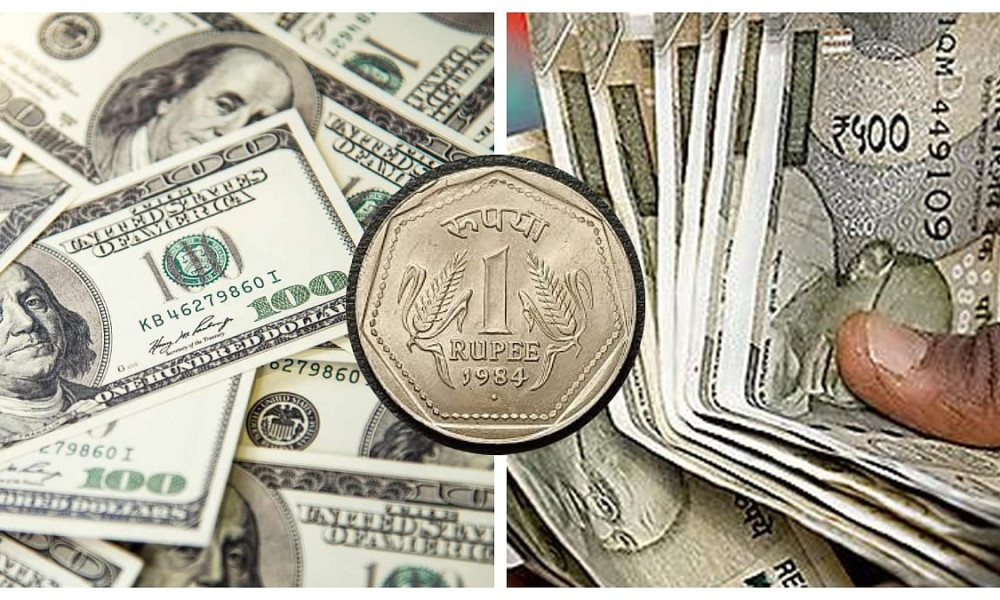
Everyone has been asking the same question lately. Why has the Indian rupee fallen so sharply against the US dollar? The issue even made its way to Parliament, where the government provided a clear explanation. The rupee’s weakness is not a sudden event but the result of several domestic and global factors.
The slide has been significant and rapid. In the third week of November 2025, the rupee fell to 89.41 per dollar. It weakened further to 89.64 in early December. By December 4, it crossed 90.42, and by December 16, it was trading close to 91 per dollar.
One major driver is strong demand for dollars in the domestic forex market. When stock markets in India and abroad decline, investors seek safer assets. This flight to safety often means moving money into the US dollar. Global trade uncertainty has added further pressure on the currency.
The government was keen to clarify its stance. India does not fix the rupee at any specific level. Neither the government nor the Reserve Bank of India sets a target price for the currency. Its value is determined by market forces, though the RBI does intervene to curb excessive volatility.
Several other factors are hurting the rupee. The government listed a strong dollar index and foreign investment outflows. High crude oil prices and global interest rate conditions also play a role. Concerns over the current account deficit and a rising trade deficit in FY26 have affected sentiment.
Trade agreement uncertainty with the US has been another weight. These combined pressures have created a challenging environment for the rupee. The government’s detailed list shows the issue is multifaceted.
To stabilise the rupee, the RBI has taken multiple steps. It extended the export credit period to support dollar inflows. It also relaxed forex rules for merchant trade. Making rupee-based trade easier with neighbouring countries was another measure.
Furthermore, the RBI allowed funds in special rupee vostro accounts to be invested in government bonds. These actions are designed to provide support and manage the currency’s flow. The goal is to create a more balanced forex environment.
The RBI has also been active in the market directly. Over the past year, it has both sold and bought dollars as needed. These interventions aim to reduce sharp movements. The objective is to maintain stability in the currency market.
Looking at the long term provides important context. The rupee was around 63 per dollar in December 2014. By December 2025, it had weakened to around 90. This shows a gradual decline over an 11-year period, not an overnight crash.
Is a weak rupee always a bad thing? The government says it’s not entirely negative. A weaker rupee helps exporters because Indian goods become cheaper overseas. This can boost certain sectors of the economy.
However, there is a significant downside. Imports become costlier, which can add to inflation. This trade-off is a constant balancing act for policymakers. The impact varies across different parts of the economy.
The government offered reassurance about the broader picture. India’s economic fundamentals remain strong, it told Parliament. Domestic demand is stable and inflation is under control. Corporate balance sheets have improved significantly.
Financial discipline also remains intact across the system. Both the government and the RBI are closely monitoring the situation. They are prepared to take further steps if necessary to ensure stability.
The story of the rupee is one of global currents and domestic resilience. Its movement reflects a complex interplay of forces. Understanding these reasons helps make sense of the headlines.