


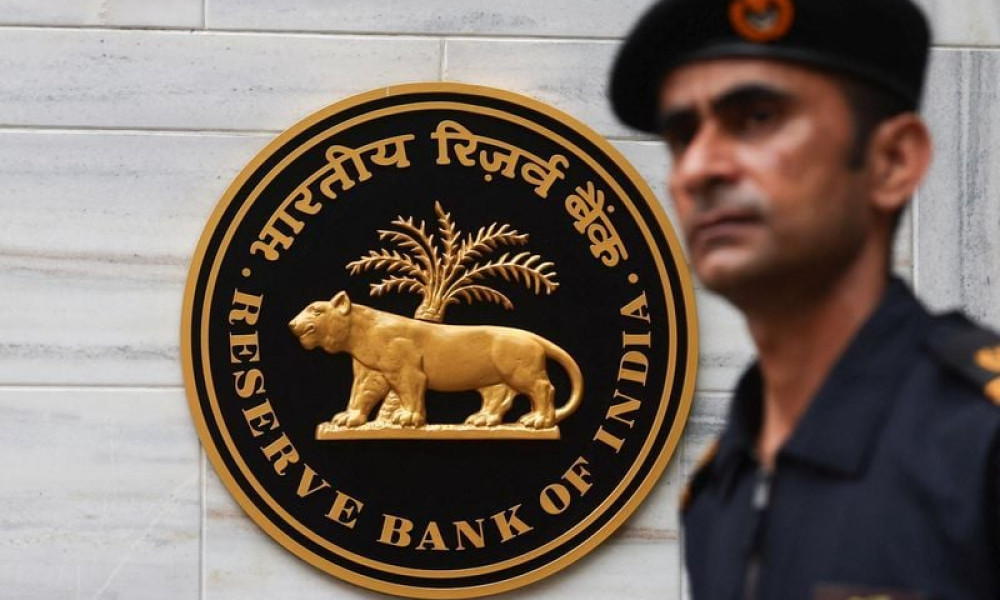
India’s central bank is poised to make a significant monetary policy move. The Reserve Bank of India is expected to cut its key interest rate by 25 basis points. This decision comes amid favorable economic conditions and could provide crucial support to the economy.
According to a Reuters poll, the rate will drop to 5.25% on December 5. A strong majority of economists surveyed support this prediction. The consensus suggests this level will remain stable through 2026.
Inflation data has been remarkably positive. Consumer inflation hit a record low of 0.25% in October. This decline was driven by falling food prices and tax cuts on consumer goods.
The low inflation gives the RBI room to act. It can now focus on supporting weak consumption patterns. This comes despite renewed pressure on the Indian rupee.
The currency recently touched a new low. It reached 89.49 against the dollar on Friday. This adds complexity to the central bank’s decision-making process.
RBI Governor Sanjay Malhotra recently commented on the situation. He indicated that recent economic data supports potential rate cuts. The central bank has maintained rates since August after previous reductions.
The polling numbers are quite decisive. Nearly 80% of economists forecast the rate cut. Out of 80 economists surveyed, 62 predicted the reduction to 5.25%.
Only 18 economists expected no change. This shows strong consensus among financial experts. The expectation is for stability after the anticipated cut.
Kaushik Das of Deutsche Bank explained the reasoning. The RBI is likely to revise its inflation forecast lower. This strengthens the case for a 25 basis points cut.
Rate cut expectations persist despite strong growth estimates. India’s economy likely grew 7.3% in the July-September quarter. Simultaneously, stock markets are projected to reach new highs.
External factors continue to pose challenges. A 50% U.S. import tariff on Indian goods remains in place. This has affected investor confidence significantly.
Foreign investors have pulled nearly $17 billion from Indian equities. The ongoing trade discussions haven’t resolved the tariff issue. This uncertainty influences monetary policy decisions.
Madhavankutty G from Canara Bank highlighted the trade situation. There’s no visibility on when a trade deal might happen. This could potentially lead to further rate cuts if conditions worsen.
Economic projections remain optimistic despite challenges. Growth is expected to average 6.8% this fiscal year. Next year should see 6.5% growth according to forecasts.
Inflation projections are equally positive. It’s expected to average 2.2% this fiscal year. Next year should see 4.0% inflation.
The December policy meeting will be crucial for India’s economic direction. All eyes are on the Reserve Bank of India’s decision. The expected rate cut could stimulate economic activity across sectors.