


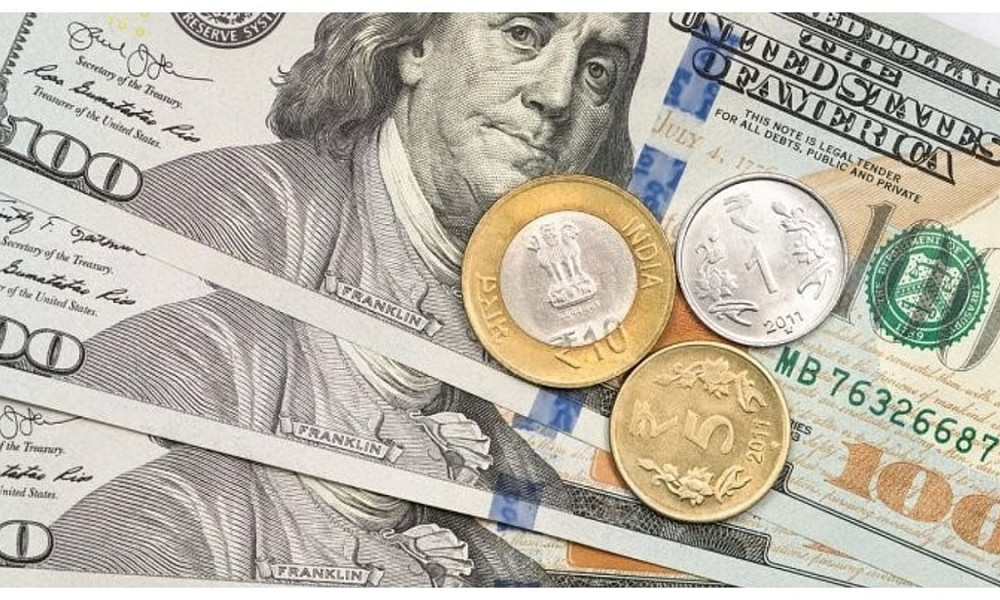
The rupee continued its recovery, gaining 11 paise to 89.05 against the US dollar in early trade. This rise was supported by lower crude oil prices in international markets. However, the currency faced pressure from a strong greenback and subdued stock market sentiment.
Forex analysts noted that foreign capital withdrawal added to the challenges. The rupee’s movement reflected a mix of global and domestic factors influencing its trajectory. Despite gains, underlying pressures kept the currency’s stability in question.
At the interbank foreign exchange market, the rupee opened at 89.02. It then traded at 89.05 in initial deals, marking an 11 paise increase from its previous close. This followed a sharp recovery on Monday, where it settled 50 paise higher at 89.16.
The rupee had crashed 98 paise to a lifetime low of 89.66 against the US dollar on Friday. Tuesday’s gains signaled a partial rebound from that steep decline. Market participants watched closely for sustained improvements.
Meanwhile, the dollar index, measuring the greenback against six currencies, rose 0.06 percent to 100.13. A stronger dollar often weighs on emerging market currencies like the rupee. This factor tempered the rupee’s upward momentum.
Brent crude futures declined 0.33 percent to USD 63.16 per barrel. Lower oil prices benefit India, a major importer, by reducing import costs. This provided crucial support for the rupee’s performance.
On the domestic equity front, the Sensex dropped 46.99 points to 84,853.72. The Nifty also slipped 10.35 points to 25,949.15. Weak stock markets typically dampen currency sentiment, adding to the rupee’s struggles.
Foreign institutional investors sold equities worth Rs 4,171.75 crore net on Monday. This capital outflow exerted additional pressure on the rupee. Sustained selling could hinder further gains.
The rupee’s path highlighted the interplay between global commodities and local markets. Lower crude oil prices offered a reprieve, but other headwinds persisted. Traders remained cautious amid fluctuating conditions.
Early trade dynamics showed the rupee navigating multiple influences. Gains were modest but pointed to a tentative recovery. Market watchers assessed whether this trend would hold.
Overall, the rupee’s movement underscored its sensitivity to external factors. The focus remained on how oil and dollar trends evolved. Each shift could sway the currency’s direction significantly.
The rupee’s performance this week has been volatile. From Friday’s low to Tuesday’s gain, it reflected market uncertainties. Investors looked for clearer signals ahead.
In summary, the rupee edged higher but faced ongoing challenges. Support from lower crude oil prices was a key factor. The broader financial landscape continued to shape its course.