


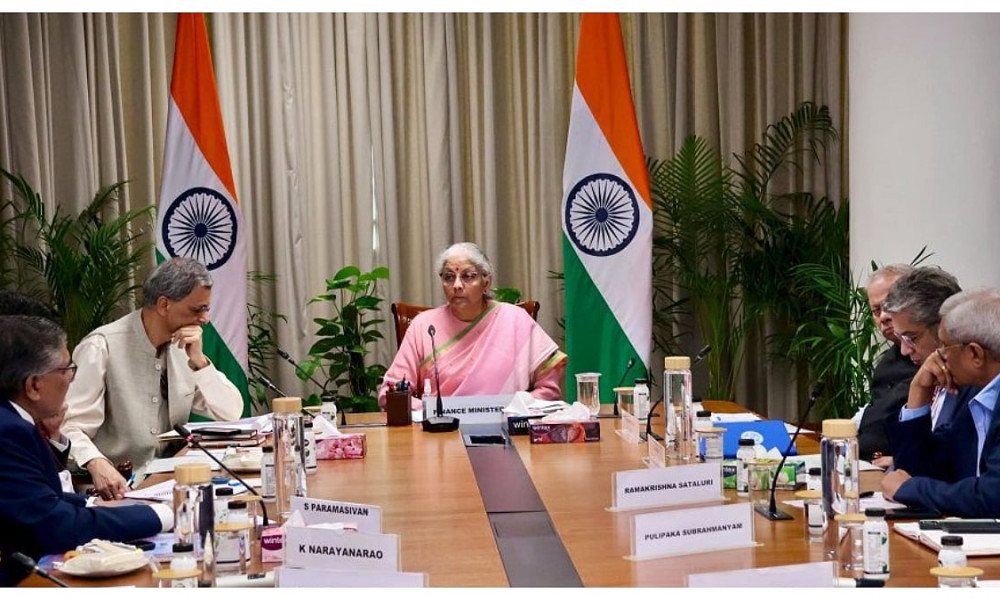
Finance Minister Nirmala Sitharaman met with infrastructure and energy experts on Friday. This pre-budget consultation aimed to gather insights for the upcoming FY27 Budget. Key industry leaders participated in the discussions.
The meeting included prominent figures from major corporations. Afcons Managing Director S Paramasivan shared his perspective. Shapoorji Pallonji Infrastructure Capital Director Manish Tripathi contributed valuable input.
GMR Group Deputy Managing Director K Narayanarao attended the session. JM BAXI Group Director Sandeep Wadhwa provided industry expertise. Infravision Foundation CEO Jagan Shah joined other specialists.
Government officials from multiple ministries participated actively. Secretaries from power, shipping, and transport ministries joined the dialogue. The Railway Board Chairman and Chief Economic Adviser contributed their insights.
The Finance Ministry announced the meeting through social media. They described it as the 11th pre-budget consultation session. The discussion focused specifically on infrastructure and energy sectors.
Budget presentation is scheduled for February 1. This timing coincides with global economic challenges. Geopolitical uncertainties create a complex backdrop for planning.
International trade tensions add pressure. The steep US tariff of 50 percent affects Indian shipments. This economic environment demands careful budget consideration.
The budget must address multiple economic objectives. Boosting domestic demand remains a priority. Job creation and sustained growth above 8 percent are crucial targets.
Current economic projections show moderate expansion. Government estimates suggest 6.3-6.8 percent growth this year. The budget aims to accelerate this pace significantly.
Infrastructure development could drive economic momentum. Energy sector reforms might attract more investment. Both areas received focused attention during the meeting.
Industry experts provided practical suggestions. Their ground-level experience informed the budget planning process. The government seeks balanced growth strategies.
The consultation process reflects democratic governance. Various stakeholders contribute to policy formation. This collaborative approach strengthens economic planning.
Economic resilience requires careful preparation. The budget must navigate global headwinds while supporting domestic growth. Strategic investments in key sectors could yield long-term benefits.
Infrastructure modernization remains essential for development. Energy security supports industrial expansion. The budget will likely address both priorities.
The government continues its consultation process. Further meetings with different sectors will follow. This comprehensive approach ensures well-rounded budget preparation.