


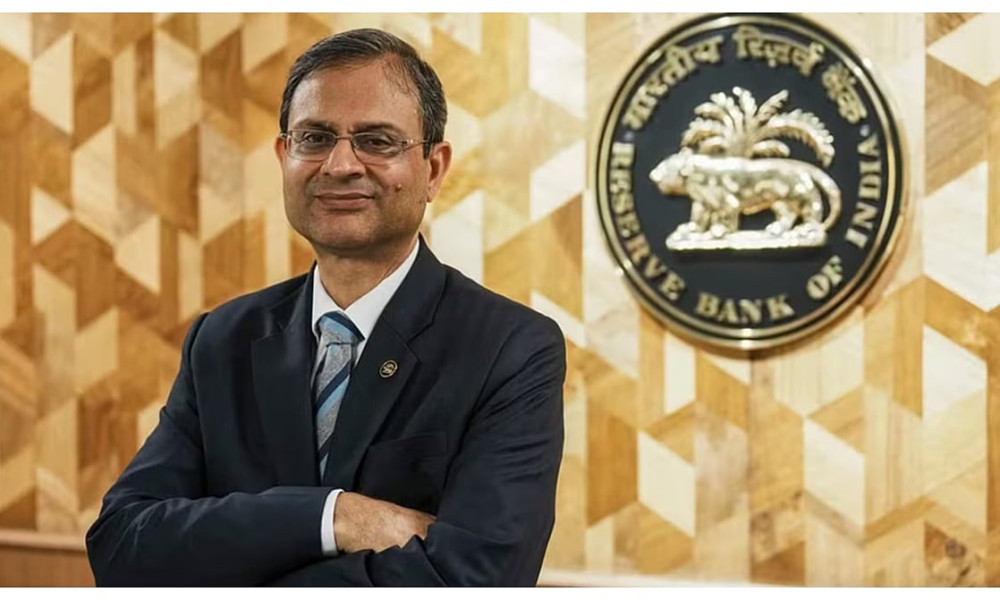
India’s banking sector is poised for a remarkable leap onto the global stage. RBI Governor Sanjay Malhotra expressed strong optimism about domestic lenders climbing the ranks. He highlighted the rapid economic expansion and banking system growth as key drivers.
Currently, only two Indian banks feature among the world’s top 100 financial institutions. State Bank of India holds the 43rd position while HDFC Bank ranks 73rd globally. This limited representation underscores the potential for growth.
Malhotra emphasized that the RBI cannot specify an exact number of banks that should make the list. However, he noted both public and private sector banks are showing impressive growth trajectories. Their collective progress suggests multiple institutions could soon join the elite global rankings.
The banking landscape is evolving rapidly.
Public sector banks have demonstrated remarkable financial performance recently. Their cumulative profits reached a record Rs 1.78 lakh crore in FY25. This represents a substantial 26 percent increase over the previous fiscal year’s earnings of Rs 1.41 lakh crore.
Finance Minister Nirmala Sitharaman has been actively discussing the need for world-class banks. She has engaged in conversations with both the Reserve Bank and various lenders. The goal is to create larger, more competitive financial institutions.
Sitharaman clarified that growth won’t necessarily come from creating entirely new entities. Strategic amalgamation presents one viable pathway toward building stronger banks. She stressed the importance of fostering a dynamic ecosystem where banks can thrive and expand.
The government has already undertaken significant consolidation efforts.
In August 2019, authorities announced four major mergers of public sector banks. This consolidation reduced the total number from 27 in 2017 to just 12 institutions. The moves were designed to create more robust and competitive banking entities.
The mergers took effect from April 1, 2020. United Bank of India and Oriental Bank of Commerce merged with Punjab National Bank. Syndicate Bank joined Canara Bank while Allahabad Bank amalgamated with Indian Bank.
Andhra Bank and Corporation Bank were consolidated with Union Bank of India.
Earlier consolidation saw Dena Bank and Vijaya Bank merge with Bank of Baroda in 2019. Before that, five associate banks of SBI and Bharatiya Mahila Bank merged with State Bank of India in April 2017. These efforts aimed to create substantially larger banking institutions.
Privatization has formed another crucial aspect of banking sector reforms. The government sold its controlling 51 percent stake in IDBI Bank to LIC in January 2019. This transaction marked a significant shift in ownership structure.
Subsequent developments have focused on strategic divestment.
The government and LIC announced plans for selling their combined stake in IDBI Bank. In October 2022, they invited Expressions of Interest for privatizing the bank. The offering comprised a total 60.72 percent stake.
Multiple investors showed interest in the IDBI Bank opportunity. The Department of Investment and Public Asset Management received several Expressions of Interest by January 2023. This demonstrated strong market appetite for banking sector investments.
The path toward privatization cleared significantly in August 2025. SEBI approved reclassifying LIC as a public shareholder rather than promoter of IDBI Bank. This regulatory milestone followed completion of strategic divestment in the lender.
India’s banking transformation continues gaining momentum.