


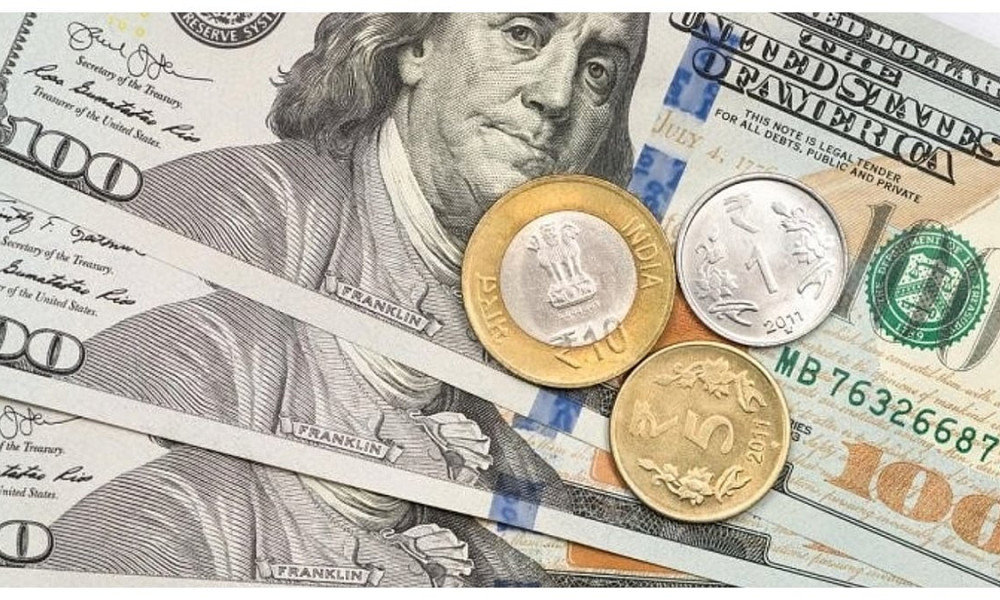
The rupee fell by 18 paise to 88.66 against the US dollar on Thursday. This decline came as the US currency’s recovery limited the rupee’s potential gains. Forex traders noted the dollar’s rally above the 100 level was a key factor.
Minutes from the US Federal Reserve revealed most officials opposed a rate cut in December. This followed an October rate reduction, boosting the dollar’s appeal. The rupee’s movement was closely tied to these international developments.
At the interbank foreign exchange market, the rupee opened at 88.63. It then lost ground, touching a low of 88.66 against the dollar. This marked an 18 paise drop from its previous close.
On Wednesday, the rupee had appreciated by 12 paise to close at 88.48. The contrast highlights the currency’s volatility amid shifting global cues. Traders are watching these fluctuations closely.
The dollar index, measuring the greenback against six currencies, rose 0.03 percent to 100.25. This slight increase added pressure on emerging market currencies like the rupee. The index’s strength reflects broader market sentiment.
Brent crude futures traded 0.28 percent higher at USD 63.69 per barrel. Oil price movements often influence currency trends in import-dependent economies. This uptick added to the rupee’s challenges.
CR Forex Advisors MD Amit Pabari noted the rupee faces resistance around 88.80-89.00. Initial support is near 88.40, with momentum gradually shifting in the rupee’s favor. This analysis points to potential stability ahead.
Positive factors include US-India trade developments and lower crude costs. Gains in domestic equities are also strengthening sentiment. These elements could support the rupee in the near term.
Pabari added that a sustainable break below 88.40 might lead to 88.00-87.70. This would indicate further rupee strength against the dollar. Such a move would be welcomed by market participants.
Progress on the India-US trade deal appears more imminent. Pabari described it as less of a distant dream and more a near-term possibility. This optimism is fueling positive expectations.
Commerce Minister Piyush Goyal recently hinted at good news on the trade pact. He emphasized the deal must be fair, equitable, and balanced. These remarks followed President Trump’s comments on the matter.
President Trump stated the US is close to a fair trade deal with India. He mentioned plans to lower tariffs on Indian goods at some point. This diplomatic progress is easing market tensions.
Domestic equities showed strength, with the Sensex climbing 284.49 points to 85,470.96. The Nifty rose 83.35 points to 26,136 in early trade. These gains contributed to a supportive environment for the rupee.
Foreign Institutional Investors were net buyers, purchasing equities worth Rs 1,580.72 crore on Wednesday. This inflow of funds underscores confidence in Indian markets. It may help counterbalance currency pressures.
The rupee’s performance remains a focal point for investors. As global and domestic factors evolve, its trajectory will reflect these dynamics. Monitoring key levels like 88.40 will be crucial for future trends.